
Managing Travel Anxiety for Pets During the Holidays
Managing travel anxiety for pets during the holidays is about recognizing stress signals early and offering calm, supportive care to help your pet feel safe during seasonal changes.
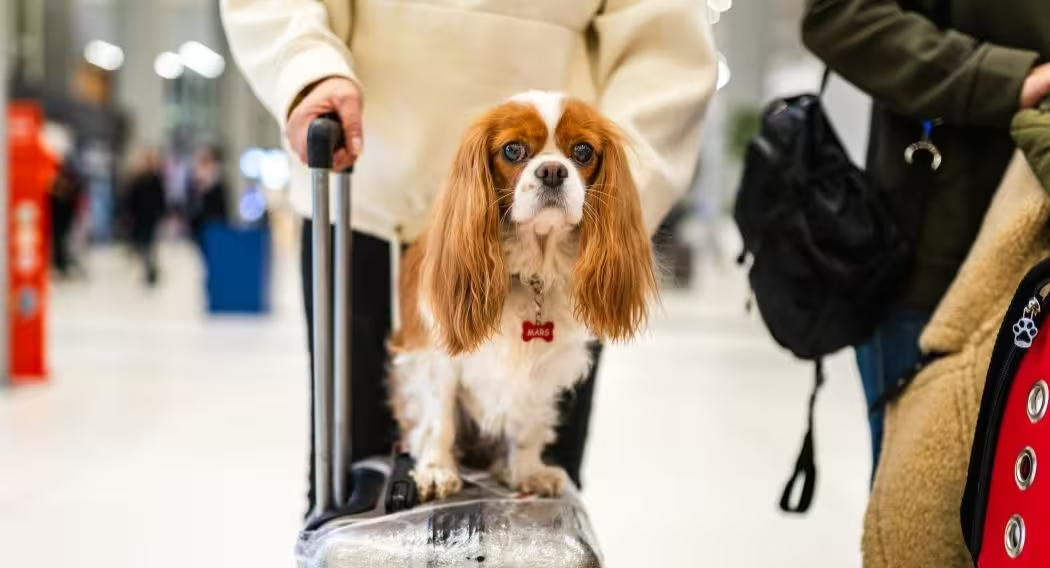
Holiday travel can be exciting for humans, but for pets, it often brings uncertainty, disruption, and stress. New environments, unfamiliar sounds, long journeys, and altered routines can all contribute to travel anxiety, especially during the busy holiday season.
Whether you’re visiting family, relocating temporarily, or boarding your pet, thoughtful preparation and emotional awareness can make a meaningful difference.
Below are gentle, effective ways to support your pet before, during, and after holiday travel.
Signs Your Pet May Be Feeling Stressed
If your pet’s behavior shifts during the holidays, stress or anxiety may be the underlying cause. Pets often communicate discomfort through subtle physical and behavioral cues, including:
Restless Movement: Repeated pacing or walking the same path can signal nervous energy or unease.
Trembling or Shaking: Some pets physically shake when they feel overwhelmed or unsafe.
Vocal Changes: Whining, barking, or howling may be a way your pet expresses emotional distress.
Excessive Yawning: Stress-related yawns are often long, frequent, and unrelated to tiredness.
Increased Licking or Drooling: Nervous pets may lick themselves or drool more than usual as a self-soothing response.
Body Language Shifts: Dilated pupils, pinned-back ears, rapid blinking, or a tucked tail can all indicate discomfort or fear.
Withdrawal or Hiding: Some pets cope by retreating, hiding, or attempting to escape unfamiliar or stressful environments.
Recognizing these signs early allows you to respond with patience, reassurance, and supportive care before anxiety escalates.
Tips to Reduce Travel Stress for Your Pet
1. Prepare Your Pet Emotionally in Advance
Pets sense change long before it happens. Packing bags, altered schedules, and heightened emotions can trigger anxiety. A pet communicator can help explain upcoming travel in a way your pet understands, offering reassurance and helping them feel included rather than surprised.
2. Keep Familiar Items Close
Bring your pet’s favorite blanket, toy, or bed. Familiar scents provide emotional grounding and safety in new environments. Pet communication can reveal which objects offer the most comfort and why they matter to your pet emotionally.
3. Maintain Routine Where Possible
Even small routines, feeding times, short walks, or bedtime rituals, can create stability while traveling. A pet communicator can help you understand which routines are most important for your specific pet to maintain during travel.
4. Practice Short Travel Experiences
If possible, introduce short car rides or crate time before long journeys. Gradual exposure helps reduce fear and builds trust. Intuitive communication can uncover whether resistance stems from fear, motion discomfort, or past experiences.
5. Stay Calm and Grounded
Pets mirror human emotions. If you’re anxious or rushed, your pet may absorb that energy. Pet communicators often guide guardians to focus on calm presence, helping regulate both human and animal nervous systems during travel.
6. Offer Safe Rest Breaks
For longer trips, allow time for breaks, hydration, and quiet moments. Avoid overstimulation. A pet communicator can help identify when your pet feels overwhelmed and needs more rest than usual.
7. Respect Individual Comfort Levels
Not all pets experience travel the same way. Age, temperament, health, and past trauma play a role. Pet communication allows you to understand your pet’s unique experience rather than assuming one solution fits all.
8. Prepare for Boarding or Pet Sitters Thoughtfully
If your pet isn’t traveling with you, emotional preparation is just as important. Explain your absence and reassure them of your return.
Pet communicators can help ease separation anxiety by reinforcing feelings of safety and continuity.
9. Watch for Post-Travel Stress
Changes in appetite, sleep, or behavior after travel may indicate lingering stress. Pet communication can help you check in emotionally and support your pet’s reintegration into familiar routines.
10. Seek Support When Anxiety Persists
If travel anxiety feels intense or long-lasting, compassionate support can help restore balance. Pet communication offers insight beyond behavior, helping you understand emotional needs and provide reassurance during stressful transitions.
Closing Thought:
Holiday travel doesn’t have to be overwhelming for pets. With preparation, patience, and emotional awareness, you can create a calmer experience, one where your pet feels safe, informed, and supported.
Pet communication serves as a gentle bridge during times of change, helping pets navigate travel with greater ease and trust.
Ready to deepen your connection with your pet?
Explore pet communication sessions designed to help you understand your pet’s emotions, needs, and experiences, supporting their emotional well-being and strengthening your bond.