
5 Low-Stress Grooming Techniques Every Stylist Needs for Senior Dogs
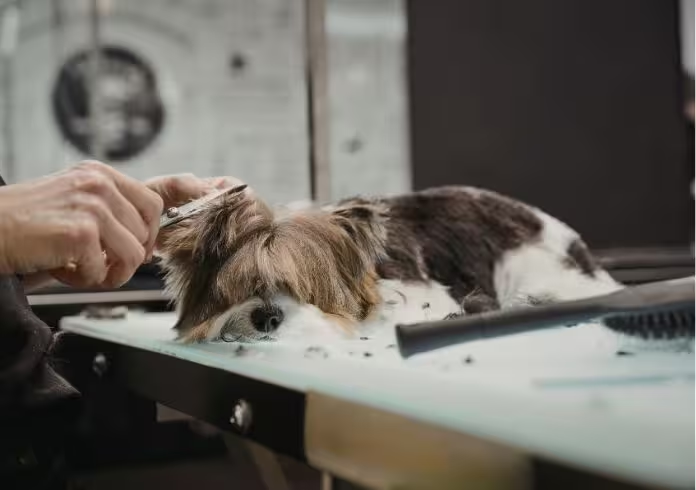
This article walks you through five low-stress grooming techniques that every stylist needs for senior dogs.
If you have been grooming dogs for any length of time, you already know that senior dogs are a different experience. What worked on a bouncy two-year-old Labrador will not work the same way on a twelve-year-old one.
Older dogs come with stiffer joints, thinner coats, more sensitive skin, and sometimes a whole lot of anxiety. The good news is that with a few adjustments to your technique and setup, you can make grooming a genuinely comfortable experience for them.
KEY TAKEAWAYS
- Senior dogs need shorter, gentler grooming sessions because their bodies and patience wear out faster than younger dogs.
- Switching to softer brushes and warm water can make a significant difference in comfort for dogs with sensitive aging skin.
- Allowing a senior dog to lie down during grooming reduces strain on arthritic joints and makes the experience less stressful.
- Reading a senior dog’s body language during grooming is just as important as the grooming technique itself.
- Offering senior-specific grooming packages is a smart business move that sets your salon apart and builds loyal, long-term clients.
Senior dog grooming refers to the specialised approach of bathing, brushing, trimming, and caring for dogs that are typically seven years and older. Unlike younger dogs, senior dogs often have physical limitations such as joint pain, thinning skin, reduced stamina, and anxiety. Low-stress grooming techniques are adapted methods that prioritise the dog’s comfort and safety throughout the entire grooming session.
Why Senior Dogs Need a Different Approach
The aging process affects dogs physically and emotionally. By the time a dog reaches their senior years, they may be dealing with:
- Arthritis or joint stiffness that makes standing on a grooming table painful
- Thinning or dry skin that is easily irritated by rough brushing or harsh products
- Reduced circulation that makes them sensitive to cold water and drafts
- Cognitive changes that cause confusion or increased anxiety in unfamiliar situations
- Lower stamina meaning they tire quickly and become distressed if grooming takes too long
Understanding these changes is the first step. The second step is adapting how you work.
Technique 1: Shorten Your Sessions and Take Breaks
One of the biggest mistakes groomers make with senior dogs is treating the appointment like any other. A standard grooming session that takes 90 minutes may be far too long for an older dog.
What to do:
- Break longer sessions into two shorter visits if the dog needs a full groom
- Build in at least one quiet break where the dog can sit or lie down
- Watch for signs of fatigue such as trembling, heavy panting, or reluctance to stand
- Communicate with the owner beforehand about the dog’s tolerance level
Booking senior dogs in quieter time slots, away from the noise and energy of busier periods, also helps keep their stress levels down.
Technique 2: Let Them Lie Down
This one simple change can transform the grooming experience for an arthritic or stiff dog. Many groomers insist on dogs standing for the full groom, but for senior dogs, this is genuinely uncomfortable and sometimes painful.
What to do:
- Use a non-slip mat on your grooming table so lying down is safe
- Groom one side at a time, allowing the dog to rest between turns
- Use a grooming arm with a gentle loop rather than a tight restraint
- For very frail dogs, consider grooming at floor level to remove the risk of jumping or falling from the table
Dogs that are allowed to rest during grooming are calmer, more cooperative, and less likely to react with fear or aggression.
Technique 3: Upgrade Your Tools
The tools you use on a young dog are not always the right ones for an older dog. Investing in a few senior-friendly tools is a small cost that makes a big difference.
Recommended upgrades:
- Soft-bristle brushes or rubber curry combs instead of stiff slicker brushes that pull at thinning coats
- Wide-tooth combs for dogs with remaining thicker coats to avoid excessive tugging
- Grooming gloves for dogs that are nervous about brush handles near their body
- Low-vibration clippers since the buzz and vibration of standard clippers can cause anxiety in older dogs
- Warm water for bathing, always, as senior dogs are sensitive to the cold
Take your time checking the skin as you work. Senior dogs are more prone to lumps, skin tags, sores, and coat changes that the owner may not have noticed. Flagging these gently to the owner after the session adds real value to your service.
Technique 4: Use a Calming Pre-Groom Routine
Starting the session the right way sets the tone for everything that follows. Senior dogs, especially those with cognitive changes, do better when they feel safe before the work begins.
Try this before you start:
- Spend two to three minutes letting the dog sniff your hands and get used to your presence
- Speak in a low, steady tone throughout the session
- Avoid sudden movements or loud noises near the dog
- Use a light lavender or chamomile grooming spray if the dog is not sensitive to scents, as these have mild calming properties
- If the dog has a favourite toy or blanket, ask the owner if you can have it in the room
Some groomers also use a slow, gentle massage along the dog’s back and neck before starting. This helps loosen tight muscles and signals to the dog that this is a safe space.
Technique 5: Adapt Your Products for Aging Skin
Senior dogs often develop dry, flaky, or itchy skin as they age. Using the same shampoo you use on every other dog can cause irritation or discomfort.
Product tips for senior dogs:
- Choose moisturising or oatmeal-based shampoos that are free from harsh sulphates and artificial fragrances
- Use a conditioning rinse to add moisture back into the coat and skin
- Avoid very hot dryer temperatures. Use a low, warm setting and keep the dryer at a comfortable distance
- Pat the coat rather than rubbing vigorously with a towel, as aging skin can be easily nicked or irritated
It is also worth asking owners about any known skin conditions, allergies, or medications the dog is taking, as some medications can affect the coat and skin.
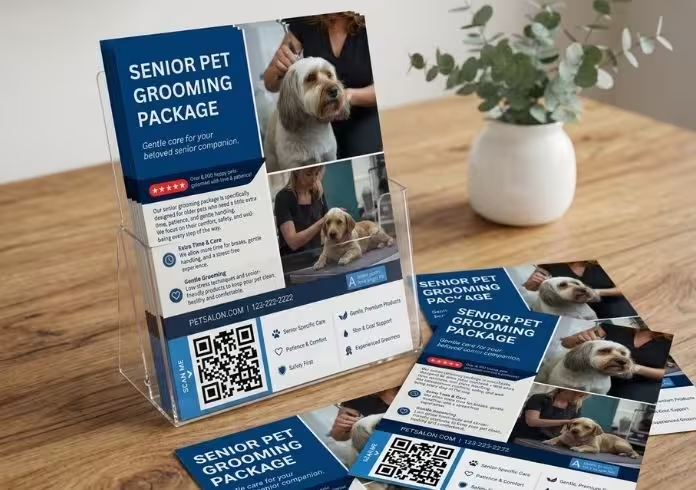
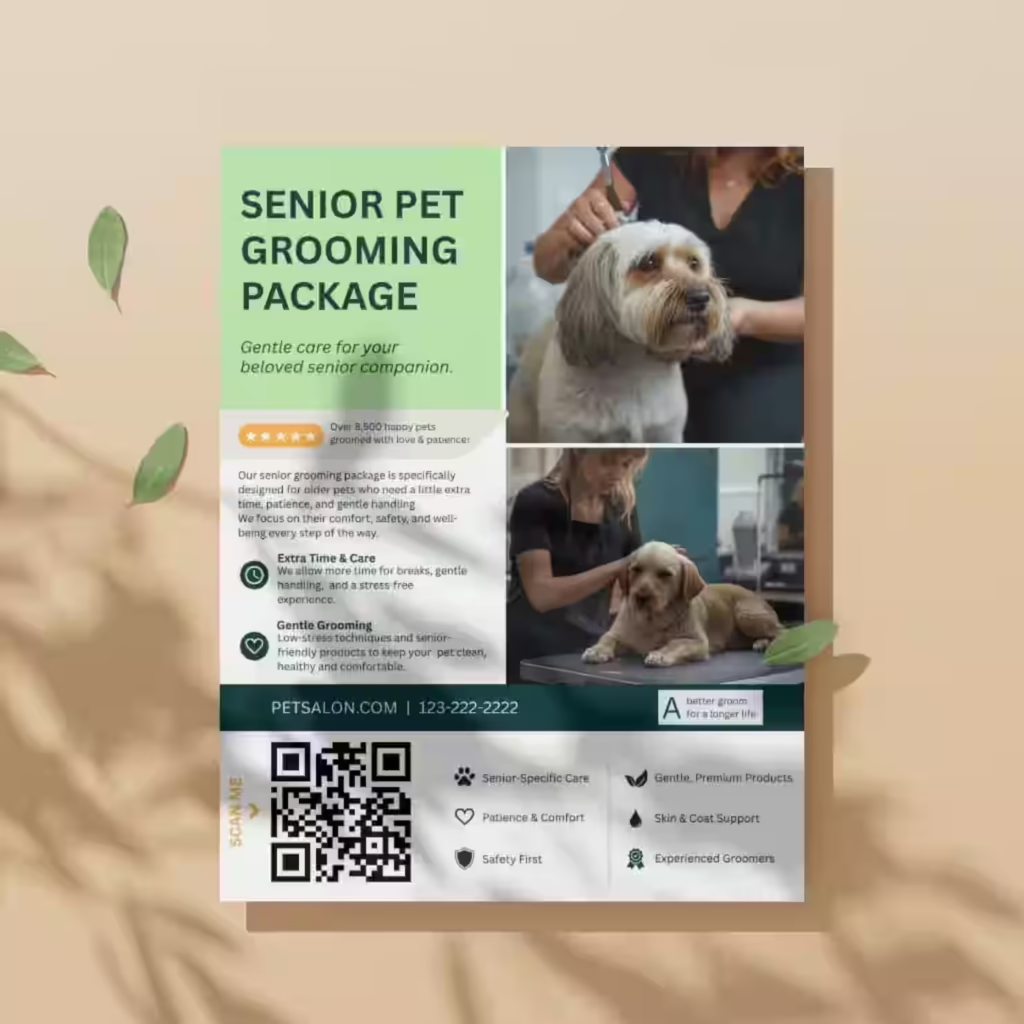
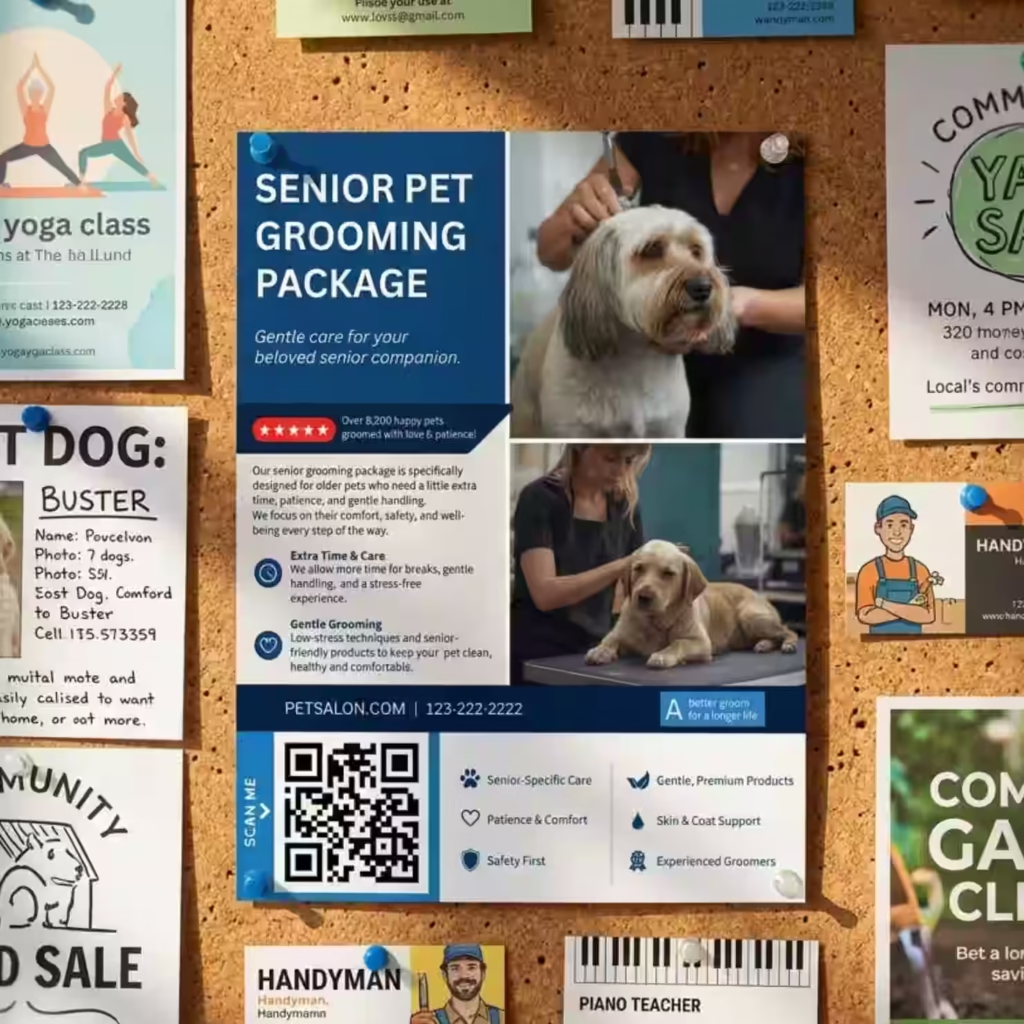
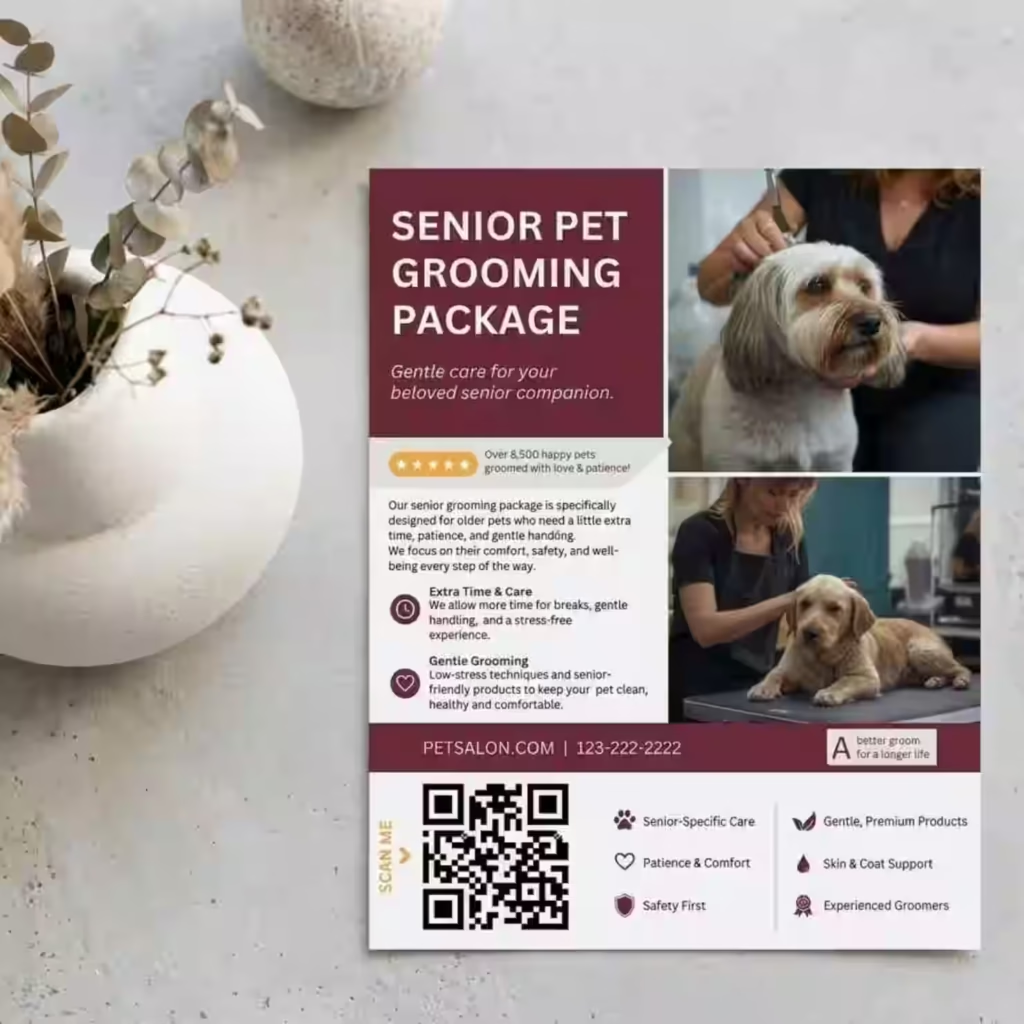
Senior Dog Grooming Marketing Flier Template
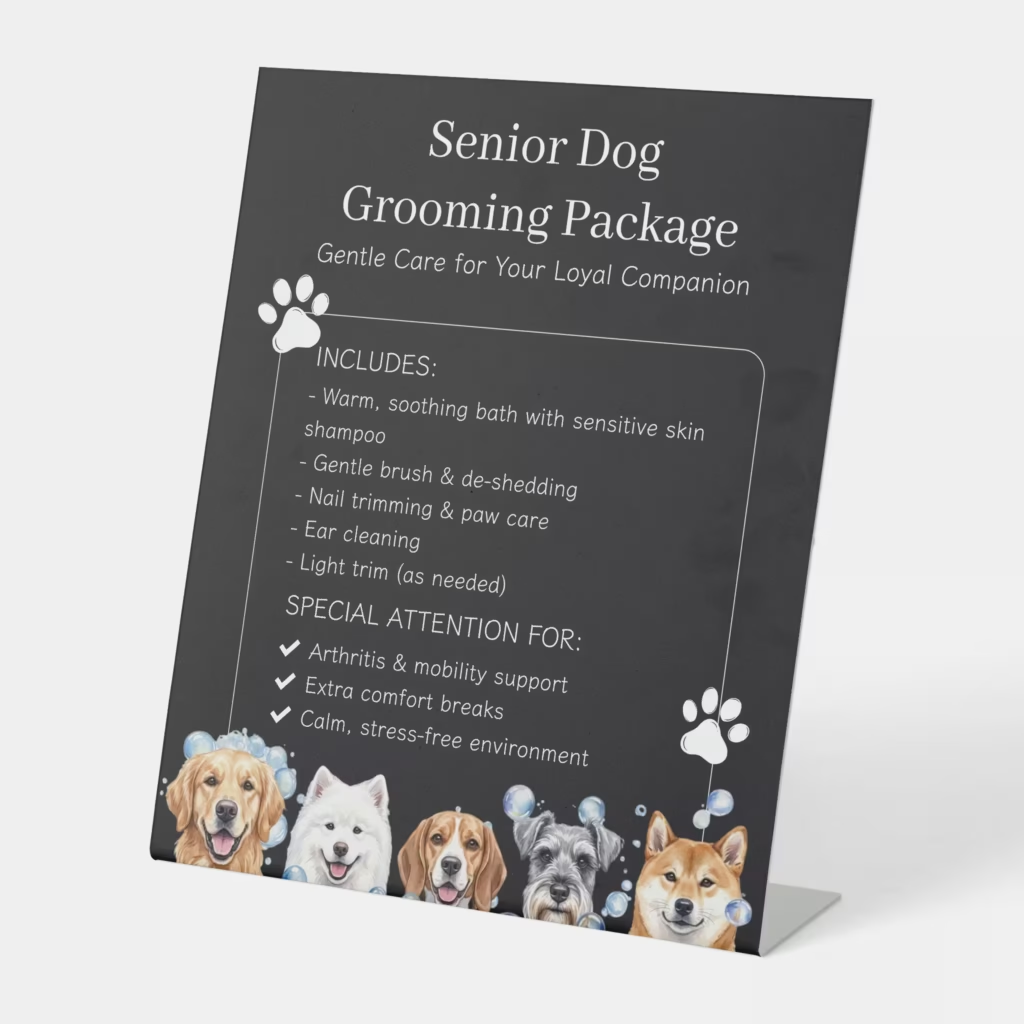
Create a professional marketing flier pet salon display with this Senior Dog Grooming Tabletop Sign, designed to highlight your specialized grooming services for older dogs. Perfect for grooming salons, pet spas, and mobile groomers, this elegant sign helps communicate your care, expertise, and pricing clearly to clients.
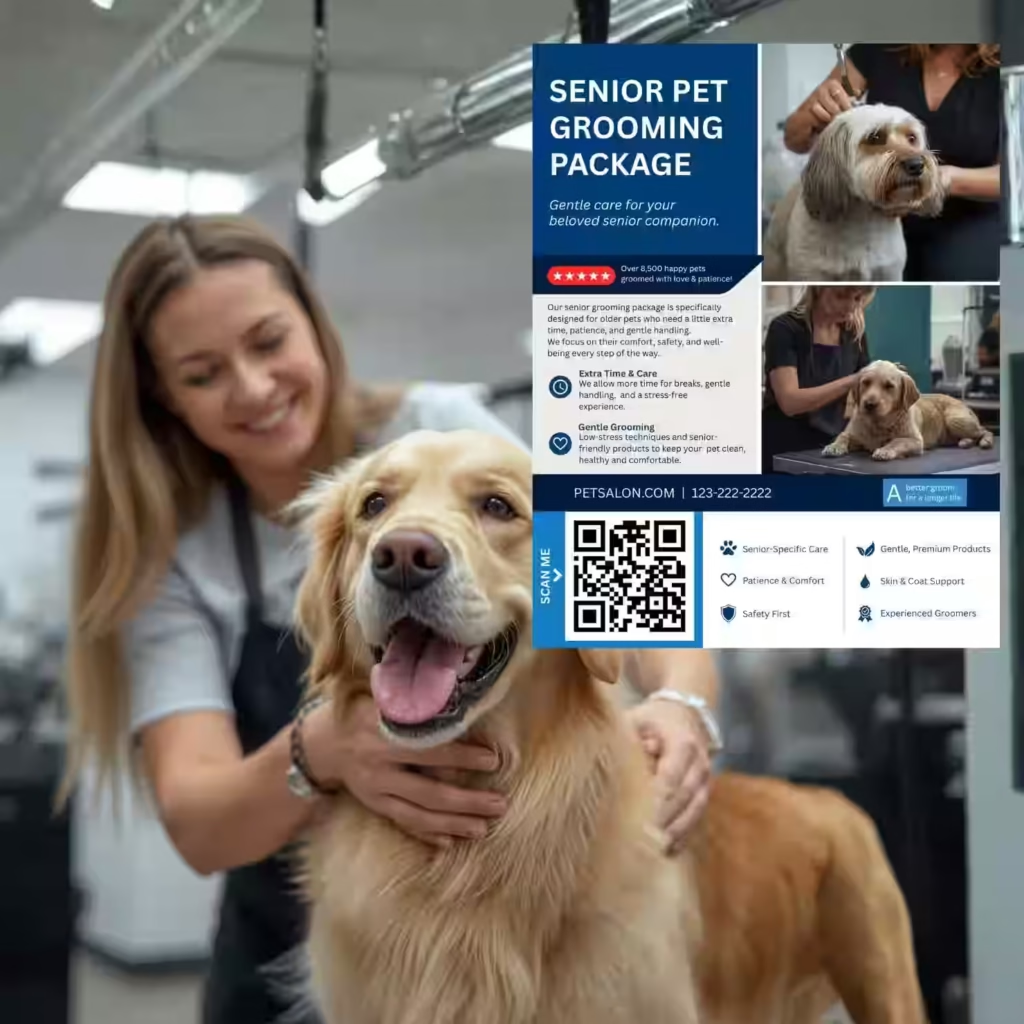
Turn This Into a Business Opportunity
Every one of these techniques points toward the same opportunity: senior dog grooming is a specialised service, and you should be pricing and marketing it that way.
Consider creating a dedicated senior dog grooming package that includes:
- Extended appointment time
- Gentle product upgrades
- A complimentary skin and coat check
- A report card for the owner noting anything you observed
Pet owners with senior dogs are deeply invested in their pet’s comfort and wellbeing. When you show that you understand their dog’s needs, you earn trust that turns into repeat bookings, referrals, and long-term loyalty.
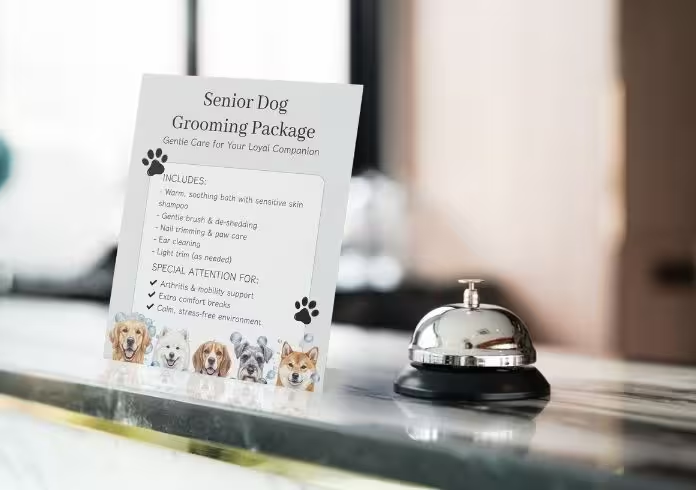
Senior Dog Grooming Pedestal Sign
Create a professional and welcoming pet salon display with this Senior Dog Grooming Tabletop Sign, designed to highlight your specialized grooming services for older dogs. Perfect for grooming salons, pet spas, and mobile groomers, this elegant sign helps communicate your care, expertise, and pricing clearly to clients.

Have you read?
- Creating a “Golden Years” Boarding Package: Amenities that Matter to Senior Pet Parents
- How to Communicate the Value of Senior Wellness Services
- The Psychology of Midnight Booking
Sources:
- Gentle Grooming for Your Golden Oldie. Green Family Veterinary Practice
- Grooming Older Dogs: Special Care Techniques for Aging Canines. Hound Therapy Pet Grooming
Explore more
⚠️ Professional Caution for Senior Dog Care Services
Working with senior dogs requires a higher level of awareness, patience, and responsibility. As pets age, they may develop underlying health conditions, reduced mobility, increased sensitivity to stress, and a lower tolerance for grooming or physical activity.
Pet care professionals should always take extra precautions when handling senior pets. This includes allowing additional time for appointments, using gentle handling techniques, monitoring for signs of discomfort or fatigue, and adapting services to suit each dog’s individual needs.
Before providing any service, ensure that clients disclose all relevant health information, including medical conditions, medications, behavioral concerns, and mobility limitations. Clear communication is essential to maintaining both safety and trust.
It’s important to recognize that pet care services are not a substitute for veterinary care. If a senior dog shows signs of illness, pain, or distress at any point, services should be paused and the owner advised to seek guidance from a licensed veterinarian immediately.
By prioritizing safety, transparency, and compassionate care, pet professionals can provide a positive experience while protecting the wellbeing of senior dogs and maintaining professional standards.
FAQ: Low-Stress Grooming Techniques for Senior Dogs
How often should senior dogs be groomed?
Most senior dogs benefit from grooming every four to six weeks, though dogs with longer coats or mobility issues may need more frequent, shorter sessions.
Is it safe to groom an arthritic dog?
Yes, with the right adjustments. Allow the dog to lie down, keep sessions short, use gentle tools, and avoid positions that put pressure on stiff joints.
What shampoo is best for older dogs?
Look for moisturising or oatmeal-based shampoos that are free from harsh chemicals and artificial fragrances. Always ask the owner about known allergies first.
How do I keep a senior dog calm during grooming?
Start with a gentle greeting, speak in a calm low voice, use calming sprays if appropriate, take breaks, and let the dog lie down whenever possible.
Can I charge more for grooming senior dogs?
Yes. Senior dog grooming takes more time, care, and specialist products. A dedicated senior package with a clear price reflects the added value you provide.
Do I need special training to groom senior dogs?
Formal certification is not required, but learning about canine anatomy, aging, and fear-free grooming techniques will make you a more confident and effective groomer for older dogs.
What signs tell me a senior dog is too stressed to continue?
Watch for trembling, excessive panting, yawning, whale eye (showing the whites of the eyes), trying to escape, or sudden aggression. Stop and give the dog a break.