
How Dog Walkers Find Clients in Their Own Neighborhood
When you are just starting out as a dog walker, or when you are trying to grow a client list that feels frustratingly thin, the instinct is often to look outward. To build a website, set up social media accounts, register on every platform you can find, and hope that clients start coming in.
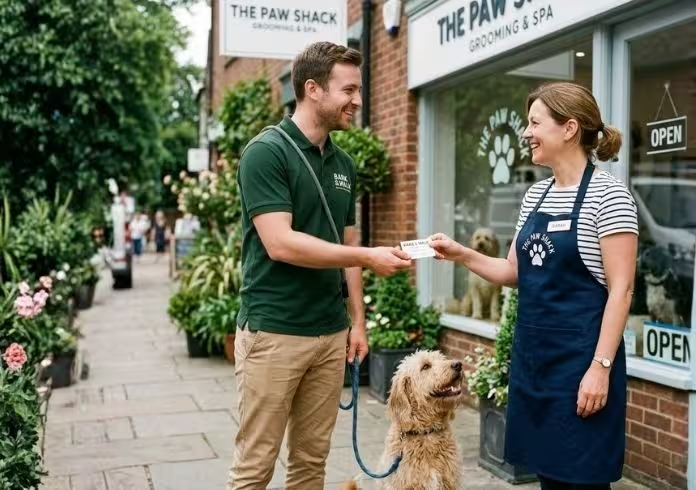
But here is the thing. Most dog walking clients do not find their walker through a Google search or an Instagram ad. They find them through a recommendation from a neighbour, a flyer on the vet notice board, a friendly conversation at the park, or a familiar face they have seen walking dogs on their street for months.
The clients you need are already in your neighbourhood. This guide shows you exactly how to reach them.
KEY TAKEAWAYS
- Your first dog walking clients are almost always found through personal connections and local visibility rather than online advertising or social media.
- Positioning yourself as a neighbourhood expert rather than just another walker is one of the most effective ways to stand out in a competitive local market.
- Partnerships with local vets, groomers, and pet shops are consistently one of the highest-quality sources of referred clients for dog walkers at every stage of business.
- Showing up consistently in the same local spaces builds the kind of familiarity and trust that turns a stranger into a paying client faster than any marketing tactic.
- A simple, low-cost combination of physical presence, community engagement, and genuine relationships is all most dog walkers need to build a full client list in their local area.
Finding dog walking clients locally means using the resources, relationships, and spaces already present in your immediate area to connect with pet owners who need your services. Rather than relying on paid advertising or large online platforms, local client acquisition focuses on visibility, trust, and community connection within the neighbourhood or area you actually work in. For most dog walkers, the best clients are already within walking distance. The goal is simply to make sure they know you exist and feel confident enough to reach out.
Start With the People You Already Know
The fastest route to your first dog walking clients is through your existing personal network. This feels uncomfortable for a lot of new walkers who do not want to impose or come across as desperate, but the reality is much simpler than that. People who know you and like you are the most likely to trust you with their dog, and they are also the most likely to recommend you to someone else.
Start by making a simple list of everyone you know who has a dog. Friends, family members, colleagues, neighbours, acquaintances from the gym or a club, anyone you have a relationship with who owns a pet. You are not going to pressure any of them into hiring you. You are simply going to let them know what you are doing.
A short, friendly message is all it takes:
“Hey, I have just started a dog walking business in the area and I am looking for my first clients. If you or anyone you know ever needs a reliable walker, I would love to be the person you think of. Happy to do a free meet and greet anytime.”
That is it. No hard sell. No awkward pitch. Just a genuine, human message from someone they already trust.
Send it to everyone on your list. Not all at once as a group message, but individually so each person feels personally contacted. You will be surprised how quickly this generates leads, referrals, and introductions.
Make Yourself Visible in the Places Dog Owners Already Are
Once you have worked through your personal network, the next step is becoming a visible, familiar presence in the places your potential clients already spend time with their dogs.
The local park
This is your single most valuable marketing location. Dog owners visit the same parks at roughly the same times every day. They form loose communities, recognise each other, chat while their dogs play, and ask each other for recommendations constantly.
Spend time at your local park during peak dog-walking hours, typically early morning and late afternoon. Walk your own dog if you have one, or offer to walk a friend or family member’s dog initially just to have a reason to be there regularly. Be friendly, introduce yourself naturally, and let conversations develop.
You do not need to hand out cards or pitch your services to everyone you meet. You just need to be present, be likeable, and be the person people think of when someone in their circle mentions they need a walker. Familiarity builds trust faster than any advertising.
Pet-friendly businesses
Dog-friendly cafes, pet supply shops, grooming salons, and pet shops are all natural gathering places for dog owners and natural locations for you to build visibility.
Visit them regularly. Become a familiar face. Many will have notice boards where you can post a card or small flyer. Ask permission, keep your materials looking professional, and refresh them every few weeks so they do not look dated.
Vet waiting rooms
A recommendation from a vet or vet receptionist carries more weight than almost any other referral in the pet care world. Pet owners trust their vet completely and extend that trust to anyone the clinic recommends.
Introduce yourself to local vet clinics in person. Bring a small supply of business cards or a simple single-page flyer explaining your services. Ask whether you can leave some materials in their waiting room. Many clinics are happy to support local pet professionals, particularly those who present themselves professionally and show genuine care for animal welfare.
Follow up every couple of months to replenish your materials and keep the relationship warm. Over time, a strong relationship with even one local vet practice can become a consistent source of high-quality referred clients.
Use Physical Marketing Materials Strategically
Physical marketing still works exceptionally well for local service businesses, and dog walking is about as local as a business gets. A well-designed flyer or card placed in the right location reaches exactly the right audience at zero ongoing cost.
Notice boards
Beyond vet clinics, look for notice boards at:
- Pet shops and grooming salons
- Community centres and village halls
- Local libraries
- Supermarket entrance boards
- Laundrettes, which often have boards and are frequently visited by local residents
- Dog-friendly pubs and cafes
- Local churches and community spaces
Keep your notice board materials simple. A clear headline, a short list of your services, your location, your price range if you are comfortable sharing it, and your contact details with a QR code linking to your booking page or website. Replace them every four to six weeks so they always look fresh.
Door-to-door flyers
Targeted street drops are one of the most direct and underused local marketing tools for dog walkers. Rather than leafleting an entire area randomly, focus your drops on specific streets where you regularly see dogs being walked or where you know dog ownership is high.
A focused drop of 100 to 200 flyers on well-chosen streets will generate more enquiries than 1,000 random drops across a wide area. Include a first-walk offer to give people a reason to act rather than just filing the flyer away somewhere.
Your own presence on the street
When you are out walking dogs, you are a moving advertisement. A simple branded t-shirt or jacket with your business name and phone number, a lead bag or treat pouch with your logo, or even a small sign on a dog walking vest all create passive visibility every single time you are out.
People notice dog walkers. When the same person appears regularly with happy, well-managed dogs, they start to form an impression before they have ever spoken to you. That impression is the beginning of trust.
Get Listed in the Right Local Places Online
While this article focuses on offline and neighbourhood strategies, a few targeted online actions support your local visibility significantly without requiring a major digital marketing effort.
Google Business Profile
Setting up a free Google Business Profile for your dog walking business is one of the highest-return actions you can take. When someone searches “dog walker near me” or “dog walker in [your area]” your profile can appear in the local search results, complete with your contact details, reviews, and a link to your website or booking page.
Set it up, add photos, fill in all the details, and ask your first few clients to leave a review as soon as possible. Reviews are the single biggest factor in whether a local Google listing generates enquiries.
Google Review Request Card
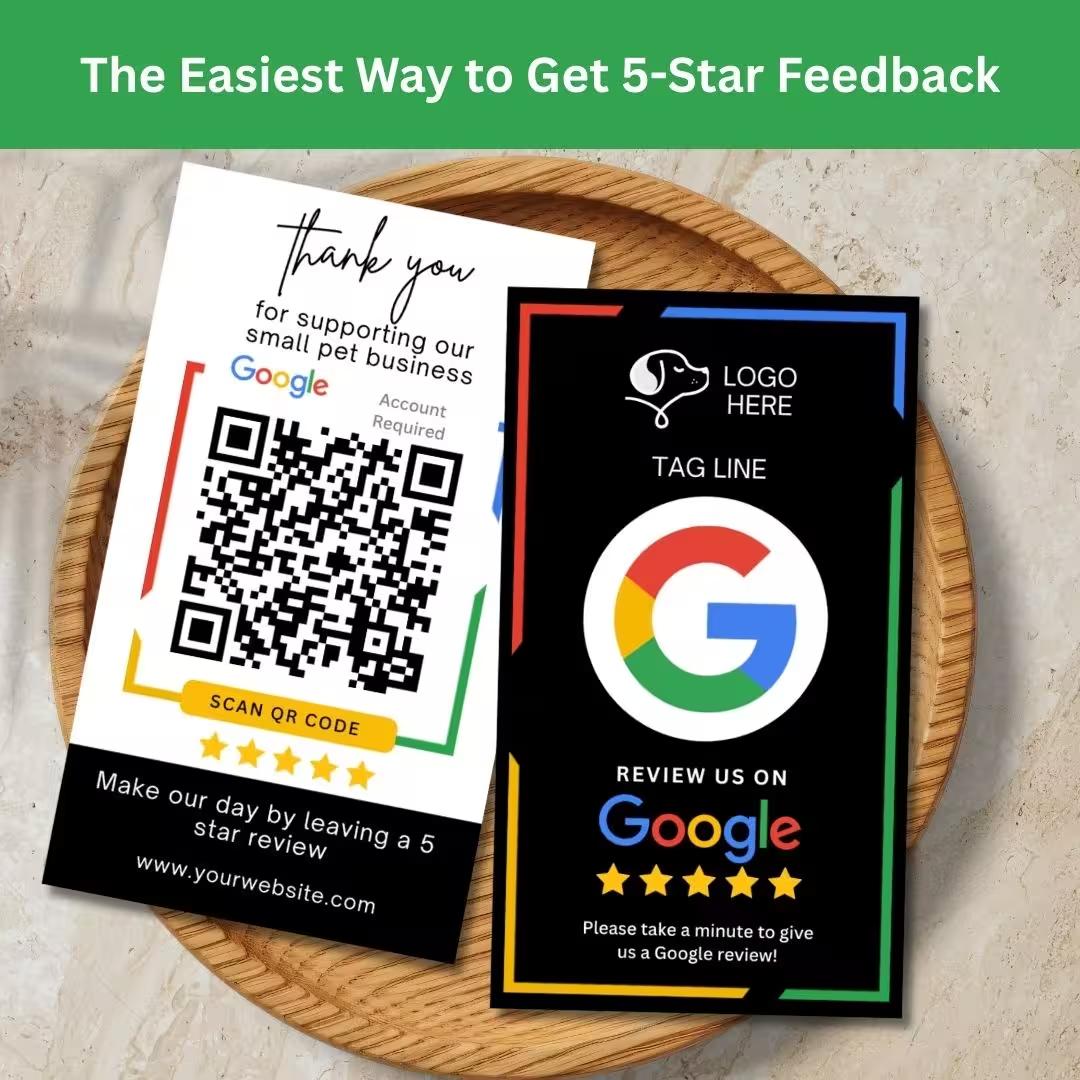
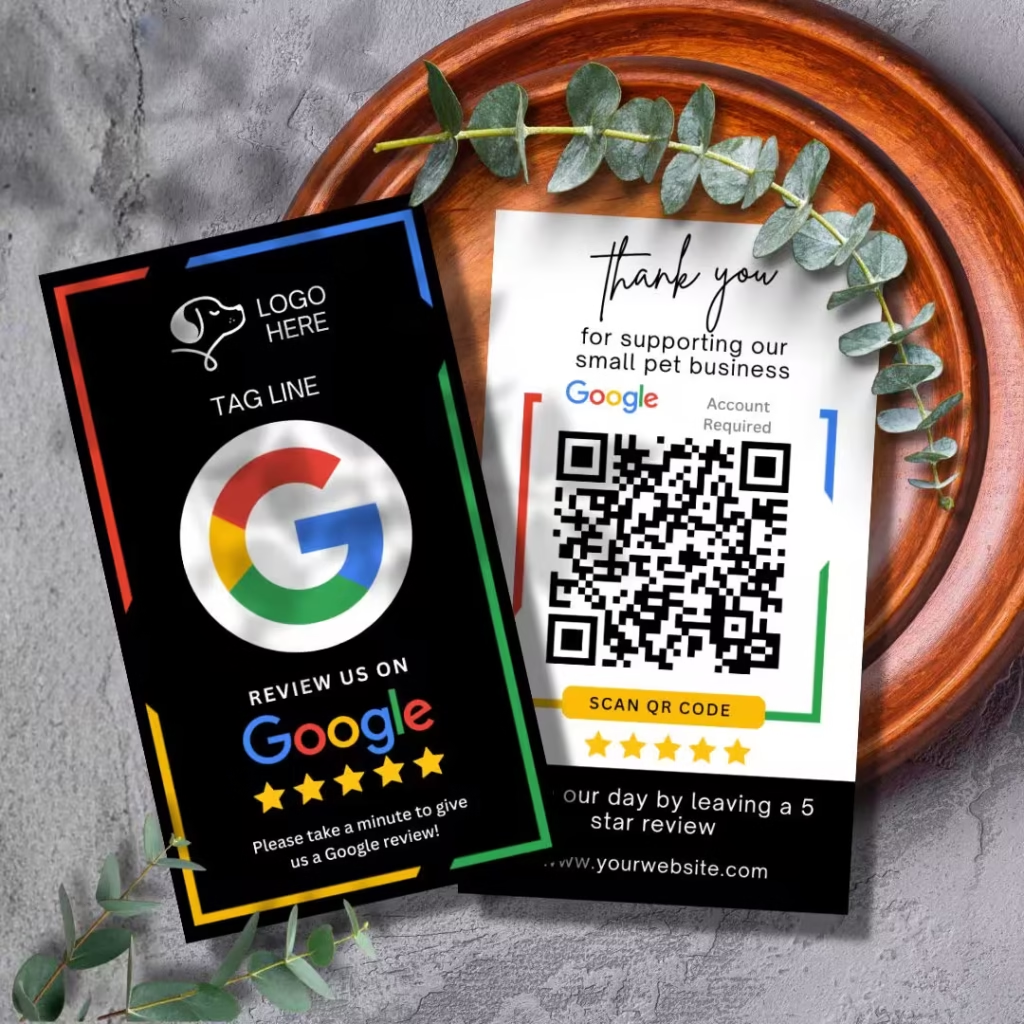
Google Review Request Card with QR Code
Start getting 5 Star reviews for your dog walking services.
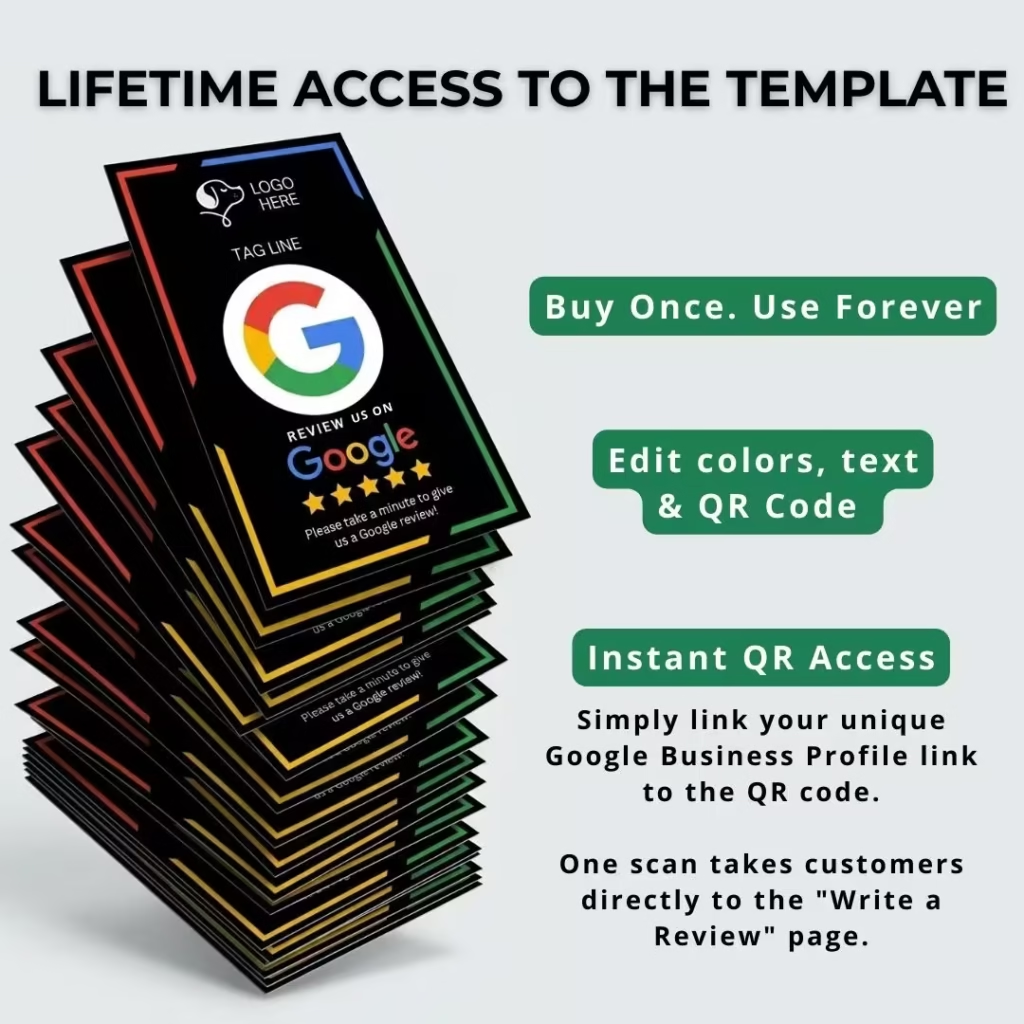
A professional, scan-to-review QR code solution designed for small businesses. Fully customizable in Canva, no design skills required.


Local Facebook groups
Most neighbourhoods and towns have active local Facebook groups where residents ask for recommendations constantly. Join the groups covering your area and make sure your profile clearly shows what you do. When someone posts asking for a dog walker recommendation, respond promptly, professionally, and warmly.
Do not spam groups with repeated promotional posts as this tends to generate annoyance rather than clients. A genuine, helpful response to a direct recommendation request is far more effective.
Nextdoor
Nextdoor is a neighbourhood-specific social platform where local recommendations carry significant weight. Creating a business profile and engaging genuinely with your local community on the platform can generate solid local enquiries, particularly in suburban areas where the platform tends to be most active.
Build a Referral System From Day One
Every client you get through any of the above methods becomes a potential source of multiple future clients, but only if you have a system in place to make referrals easy and natural.
From the moment you take on your first client, make referrals part of how you operate:
- Hand every new client two or three referral cards at their first meeting, not one, as a small supply feels generous and removes the pressure of using the only copy they have
- Mention your referral offer casually when a client compliments your service, for example “That really means a lot, and if you ever know anyone else who needs a walker there is a little thank you in it for you too”
- Send a walk report card after every walk, because clients who receive a beautifully presented update after every visit are far more likely to recommend you to a friend than clients who hear nothing
A referral from a happy client arrives pre-sold. The new lead already trusts you before they have spoken to you because someone they trust has vouched for you. No flyer, no ad, and no social media post can replicate that.
Get More Google Reviews
Google Review Request Card with QR Code
Start getting 5 Star reviews for your dog walking services.
A professional, scan-to-review QR code solution designed for small businesses. Fully customizable in Canva, no design skills required.
Be Patient and Be Consistent
The most important thing to understand about building a local dog walking client base is that it compounds over time. The first few weeks feel slow. The first few months feel uncertain. But every client you gain, every conversation you have at the park, every referral card you hand out, and every positive review you earn builds on everything that came before it.
Dog walkers who stick with a consistent local presence for six to twelve months almost always find that their calendar fills up more quickly than they expected, and that the clients they attract through local community strategies tend to be more loyal, more communicative, and more likely to refer than clients found through any other channel.
Show up. Be professional. Be genuinely good at what you do. Your neighbourhood will notice.
Have you read?
- How to Turn Dog Walking Inquiries Into Paying Clients
- What to Include in a Dog Walking Contract (And Why It Protects You Both)
- How Much Should You Charge for Dog Walking in 2026?
- Use the Dog Walking Rate Calculator to Set Prices You Are Confident In
FAQ: How to Find Dog Walking Clients Locally
Most dog walkers land their first client within two to four weeks of actively reaching out to their personal network and making themselves visible locally. The timeline shortens significantly when you combine personal outreach with a presence at local parks and a listing on Google.
Not at the very beginning. A Google Business Profile, a Facebook page, and a supply of business cards or flyers are enough to start generating local enquiries. A simple website becomes more valuable as your business grows and you want to take online bookings, but it is not a requirement for your first few clients.
Quality of placement matters more than quantity. A flyer on the notice board of your local vet clinic or grooming salon will generate more enquiries than 500 random door drops. Focus on locations where dog owners already spend time and where your flyer is seen by the right people rather than the most people.
Platforms like Rover and Wag can generate early enquiries, but they come with fees and competition. Use them as a supplementary channel in the early stages while you build your local reputation, but focus your primary energy on the direct local strategies in this article, which generate clients you own rather than clients tied to a platform.
Focus on what established walkers often stop doing once they are busy: personal communication, consistent updates after every walk, and genuine community presence. New walkers who deliver an outstanding client experience from day one often build faster reputations than they expect because the bar in many local markets is not as high as it seems.
Your Google Business Profile (GBP) combined with active presence at local parks and genuine engagement in neighbourhood Facebook groups and Nextdoor is the most effective free combination. Add a referral system with your first clients and you have a local marketing strategy that costs nothing but time.
A first-walk-free or discounted introductory offer can reduce the risk barrier for new clients who are considering you but are not yet sure. Keep any introductory offer time-limited and position it as a way for new clients to experience your service rather than a permanent price reduction. Once a client has experienced your service and trusts you, price becomes far less important to them.